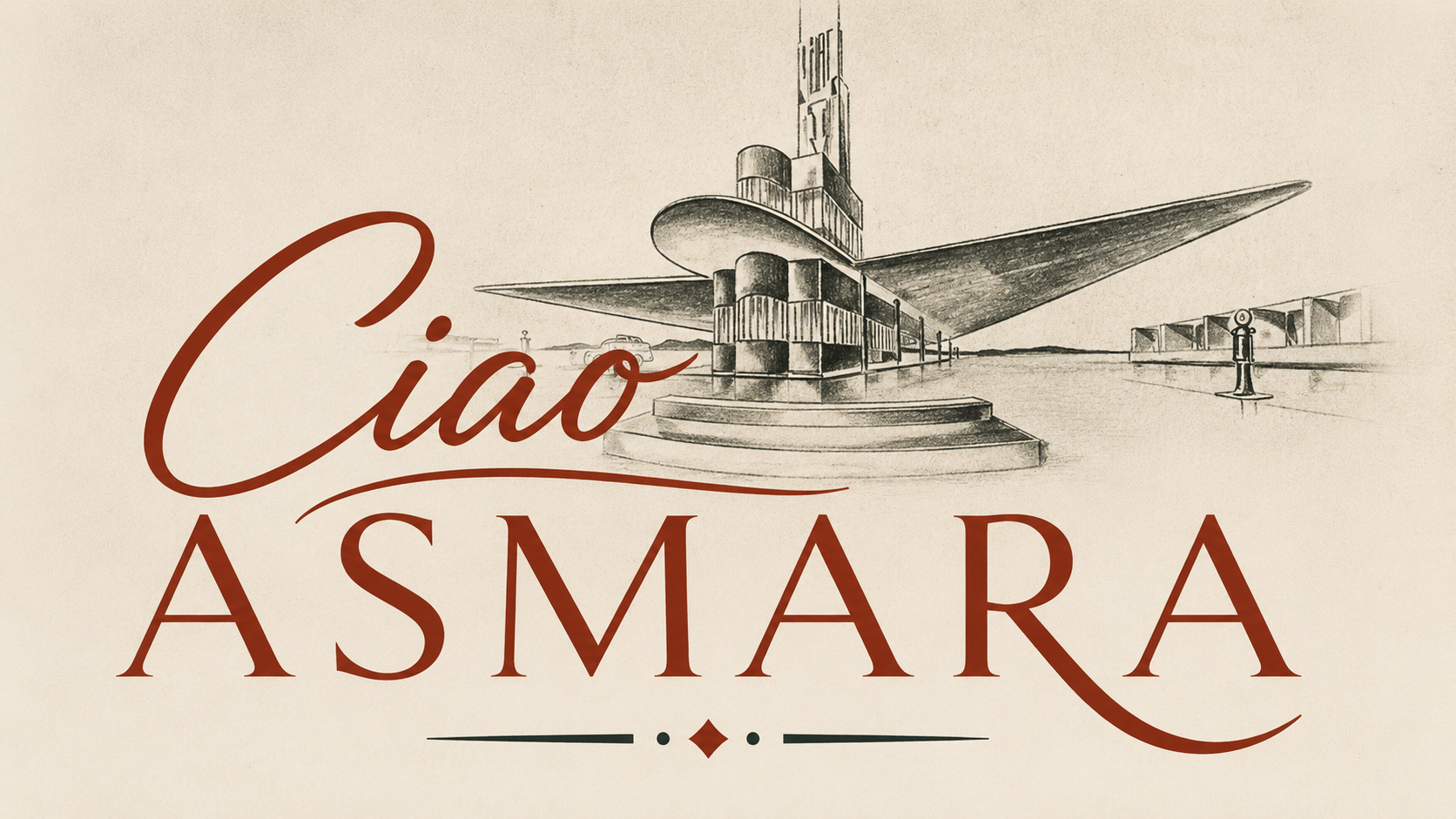
“Days Gone By” invites you to step back in time and revisit a nostalgic, often overlooked era — the vibrant 1960s and early 1970s. It was a golden age of hope, optimism, and joy, yet one increasingly set against a backdrop of political instability and uncertainty.


By the late 1960s and early 1970s, a new generation of Eritrean Asmarini — Asmarino (male) and Asmarina (female) — had emerged: modern, urban, and reflective of the city’s changing social and cultural landscape.
Unlike earlier decades, when many bars, resturants, clubs and venues remained exclusive to Europeans , this new era saw many of the city’s social spaces become increasingly accessible to Eritreans.
Shaped by Asmara’s cosmopolitan atmosphere, Eritrean Asmarini navigated the city’s streets and social life alongside Italian Asmarini and other established communities. It was a bygone era of music, nightclubs, fashion, football, cycling, motor racing, political defiance, and student protests — all pulsing with the rhythm of change, cultural expression, and freedom.
By 1974–75, however, that era was drawing to a close. Growing conflict and uncertainty led many Asmarini to seek safer lives abroad, while others left to join the liberation movement — all, in their own way, saying Ciao Asmara.
Swinging Asmara
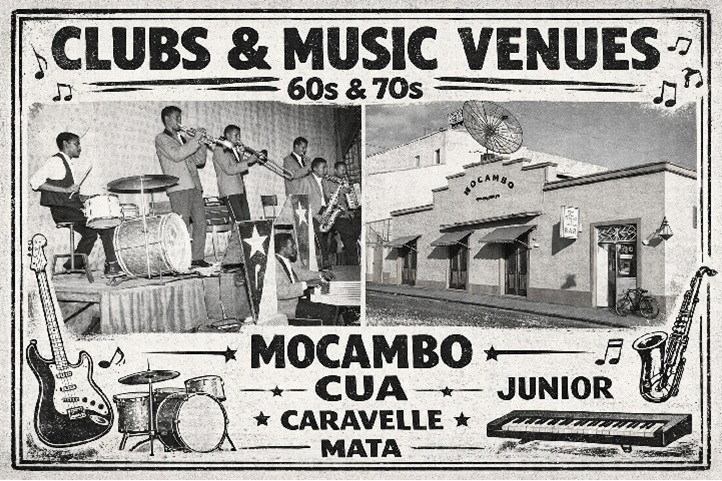
Memorable nightclubs and cultural venues that left a lasting mark on popular Asmarino culture and nightlife during the 1960s and 1970s.
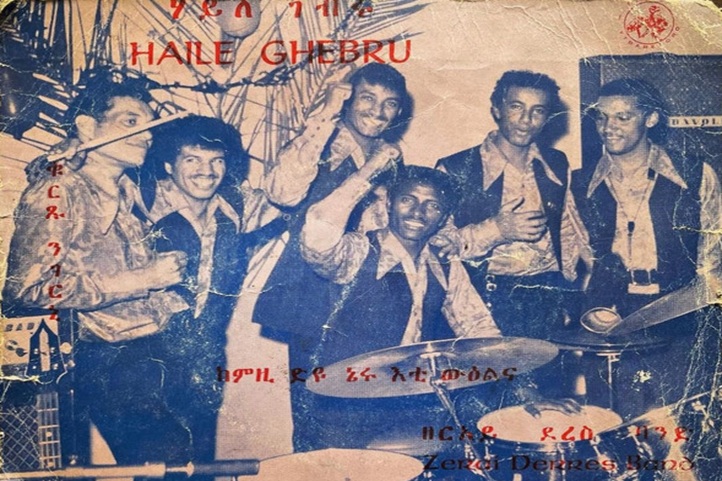
Legendary Haile Ghebru & Zerai Deres Band — the most celebrated musical group(’60s -’70s), whose music shaped a generation. Watch on YouTube.
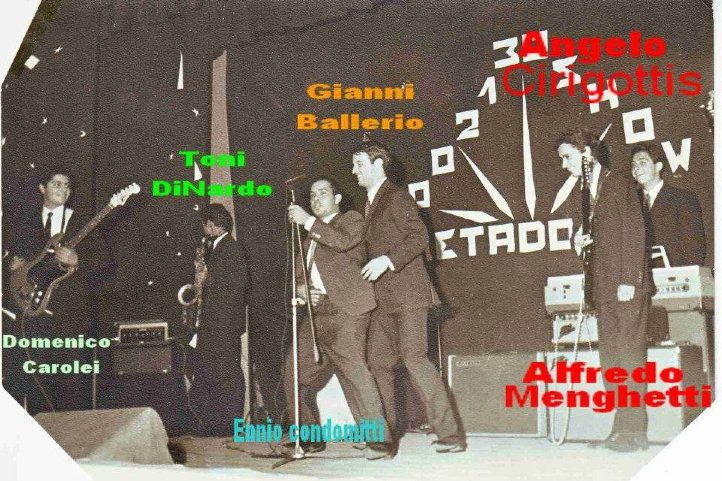
The Imperials, whose electrifying performances at popular venures became part of Asmara’s golden age of music and nightlife. Watch on YouTube.
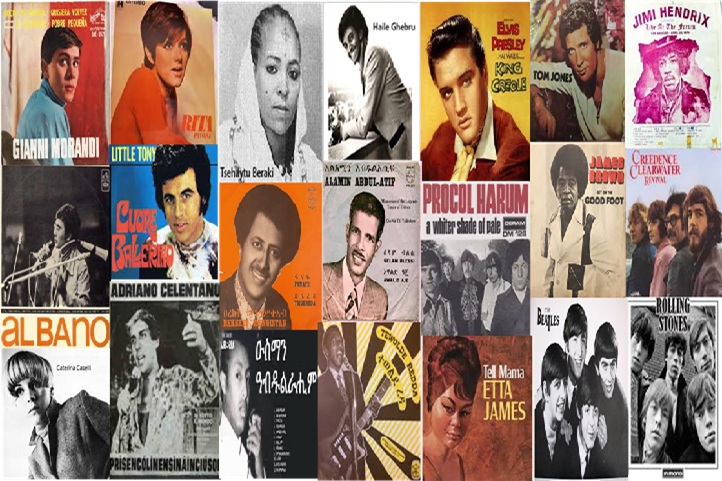
From Eritrean music legends and Italian pop icons to global rock and soul stars, these artists helped shape a generation of Asmarini. View more on Facebook.
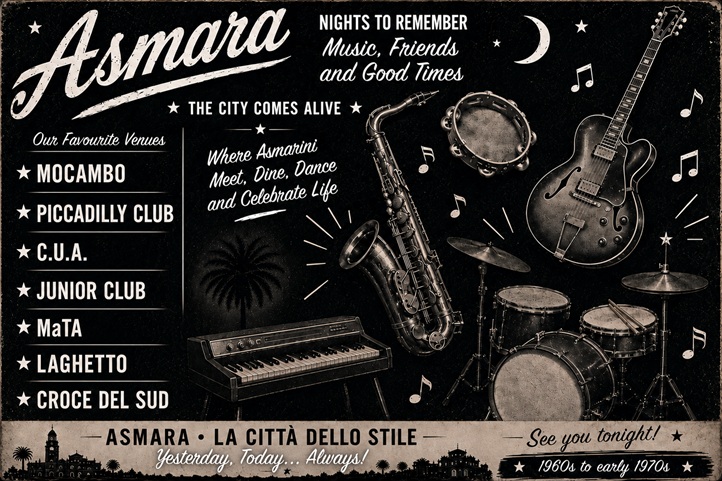
By the 1960s and early 1970s, many of Asmara’s clubs and entertainment venues had become increasingly open to Eritreans, ushering in a memorable era of music, friendship, dancing and cultural expression.
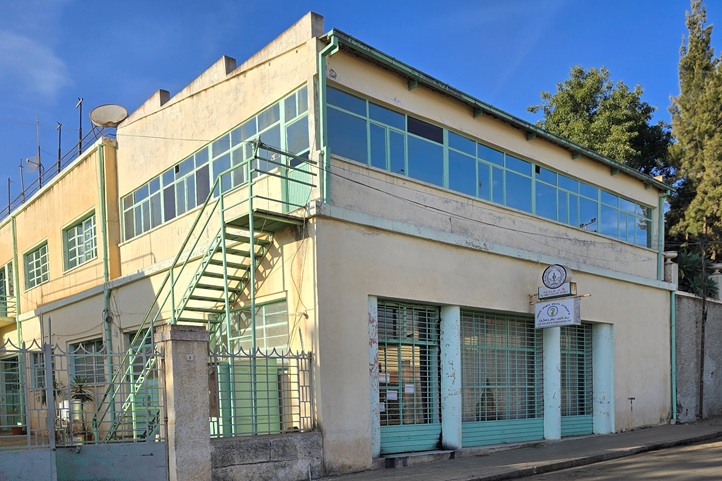
The Junior Club (behind Bocciofila) was a popular social and football club, where the bar, bingo hall and lively atmosphere created lasting memories for generations of young Asmarini.
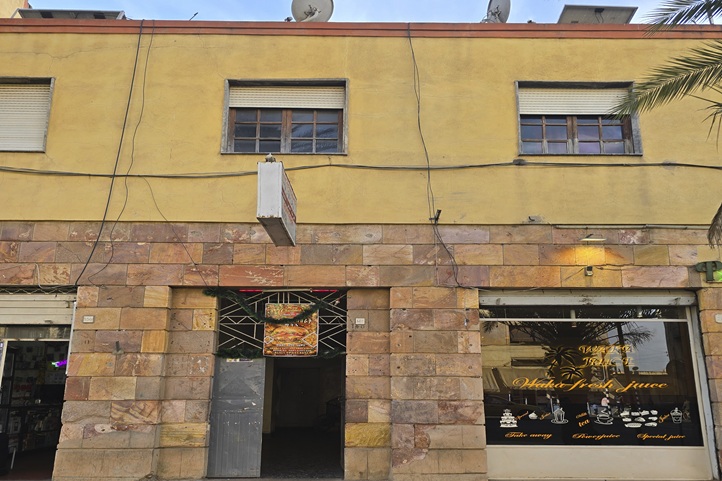
The entrance to MaTA (Asmara Theatre Association), whose basement came alive with Eritrea’s finest bands and singers, filling countless evenings with music, dancing and cherished memories.
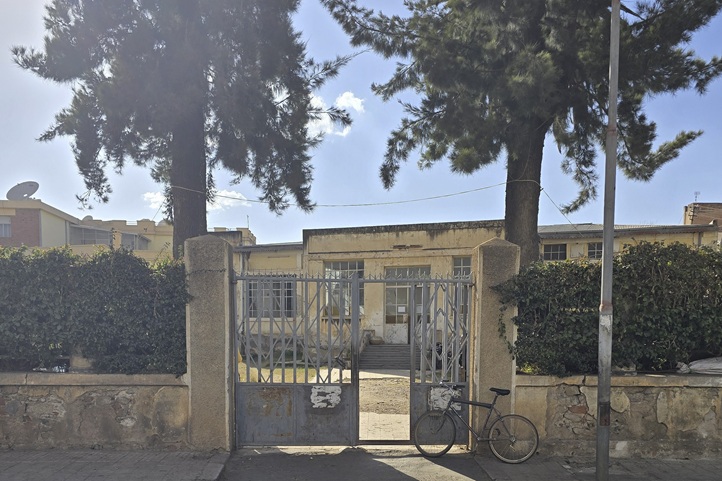
CUA (Circolo Universitario Asmara) on 173–5 Street was a popular social and youth centre by day, becoming a lively nightclub and dancing hall where lifelong memories were made.
MaTA Scene
Eritrean artists of the 1960s blended traditional music with contemporary sounds, shaping a new Eritrean musical identity while using coded lyrics to express aspirations for liberation from Ethiopian rule.
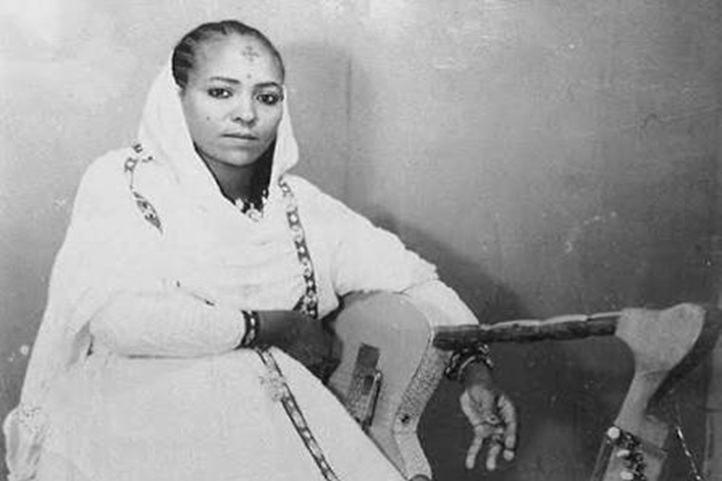
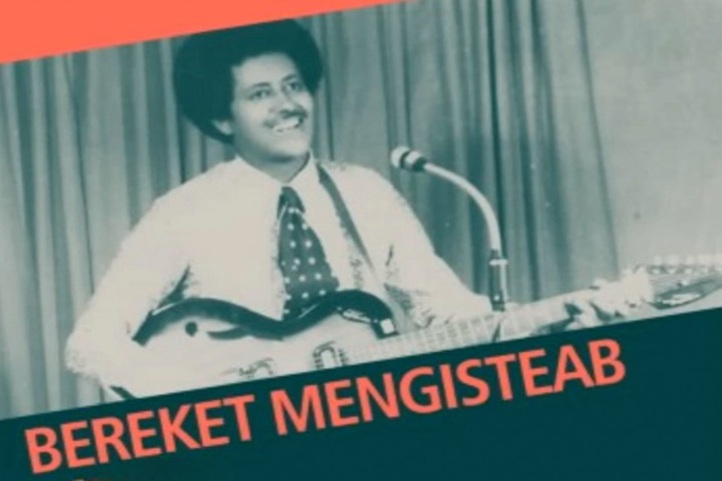
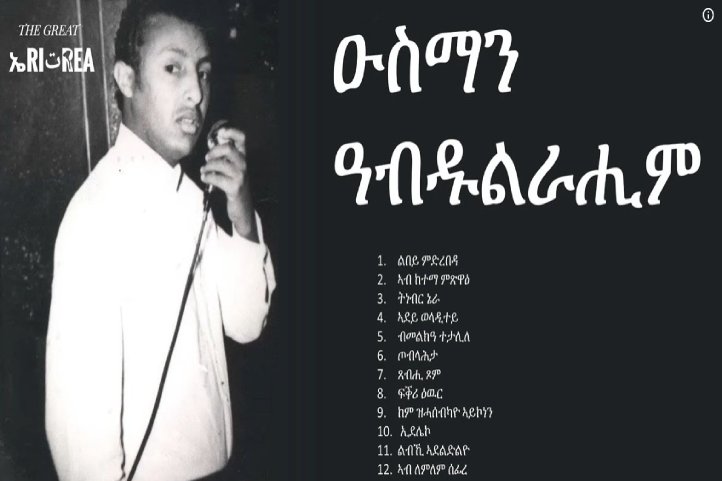
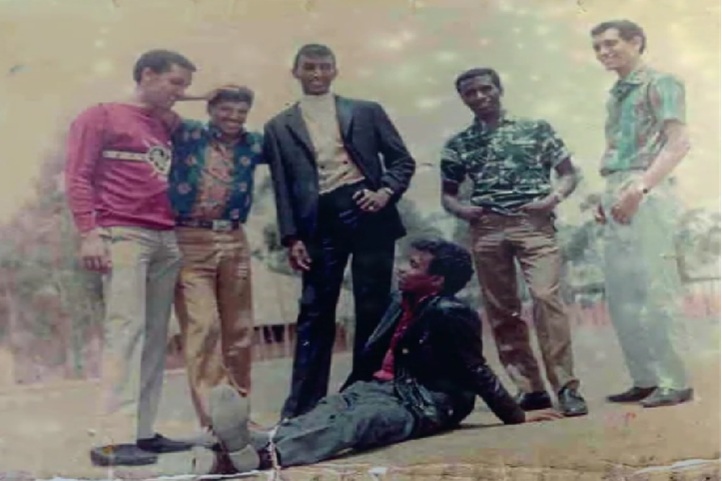
And there were many more — Tewolde Redda, Alamin Abdulatif, Amleset Abay, Yemane Ghebremichael, Atoweberhan Segid and others whose unforgettable songs defined the MaTA era, becoming the soundtrack to the lives and memories of a generation of Asmarini.
Canzone Italina / Musica Beat
Asmara’s cosmopolitan character brought the sounds of Italian, British and American music into everyday life, further popularised through Kagnew Station. For many young Eritreans, these sounds also became part of the music of their generation.
Winner of Eurovision 1964 with Non ho l’età, Gigliola Cinquetti became a teenage favourite, her songs spinning on vinyl in many Asmara homes.
Gianni Morandi, a 1960s pop icon, captured the hearts of teenage girls with romantic hits such as In ginocchio da te (“On My Knees to You”).
Al Bano’s romantic melodies, including the 1967 hit Io di notte, could often be heard drifting from the bars around Babylon Square.
Little Tony (1941–2013) blended Italian pop with rock and roll, becoming a generational icon. His 1967 Cuore matto (“Crazy Heart”)still resonates today.
And there were many others — Rita Pavone, Gigliola Cinquetti (Tuto Nero), Adriano Celentano and more — whose songs made the Italian music scene of the 1960s so memorable.
British & American Sounds
Etta James immortalised the soulful 1968 hit I’d Rather Go Blind, a favourite played over and over in Babylon Square for many years.
James Brown’s electrifying 1970 hit Sex Machine once echoed from Babylon Square’s bars and Asmara’s nightclubs, bringing funk to the city’s nightlife.
Procol Harum’s melancholic 1967 hit A Whiter Shade of Pale became a favourite of a young generation, played at house parties and clubs such as CUA. Listen to the Italian versionby I Dik Dik.
Tom Jones’s 1971 hit She’s a Lady, a favourite in Asmara’s bars and nightclubs, inspired a playful Tigrinya adaptation among teenagers:
♬ ገዛና ገዛ ኽራይ ፡ ማኪና ብበንዚና ፡ ቢሽክለታ ብካተና … ♬
And there were many others — The Beatles (Let it be), The Rolling Stones (Paint it Black), Shocking Blue (Venus), The Archies (Sugar, Sugar), Elvis Presley (Suspicious Minds), countless rock bands, and even late-1950s favourites such as Neil Sedaka (Oh! Carol).
The Golden Age of Football
Rivalries of the 1960s and early 1970s: the matches between Hamassien FC (Asmara) and Embasoira FC (Akele Guzai) brought Eritrean football to memorable heights at Cicero Stadium — a period of strong passion, pride, and intense competition, reflecting both the excitement and complexities of the era.
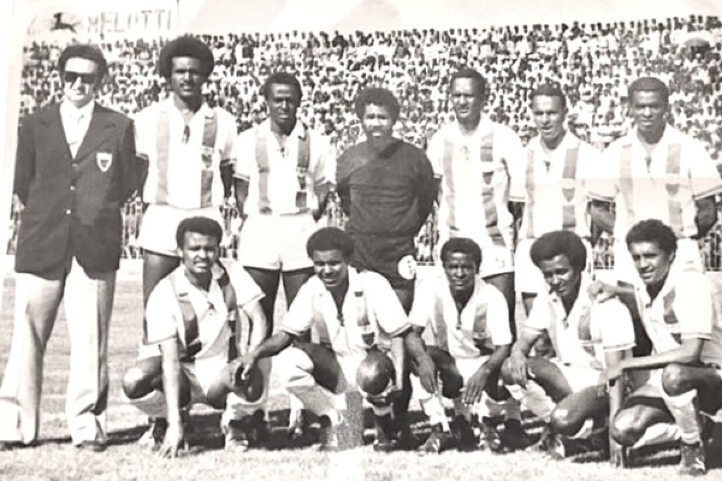
Hammassien Legends — Back row from left: Fenili (Manager), Abraham, Yemane, Yohannes (Joker), Bokre, Berket and Mehari. Front row: Tesfagiorgis, Seyoum, Abdulrahman (Pacé) , Mokonnen and Ismail.
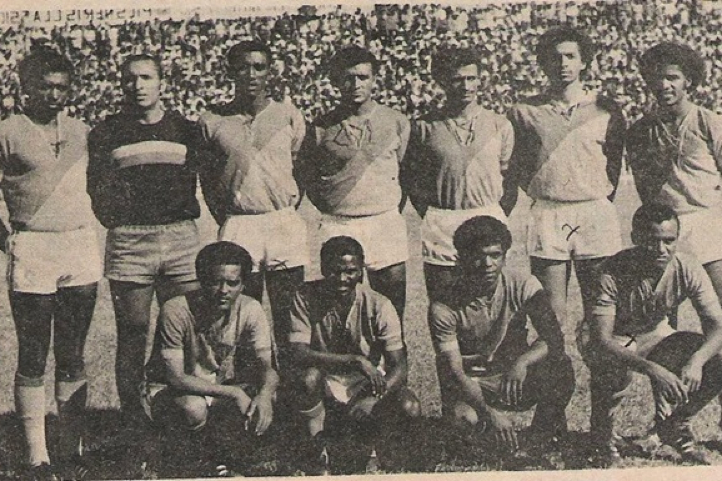
Embasoira Legends — Back row from left: goalkeeper Elias Mario (2nd from left) and the legendary attacker Ahmed Abdella (“Wedi Abdella”) (far right). Front row includes Ellé (subject to confirmation).
Hamasien, the Asmara-based side, won back-to-back Ethiopian national championships in 1973 and 1974, marking one of the most successful periods in the club’s history.
Prominent Teams of the Era
Asmara’s prominent football teams of the 1960s and early 1970s, whose matches drew passionate crowds to the Queen of Sheba (Cicero) Stadium. If you recognise any of these players, please help us identify them by contacting admin@ciaoasmara.com.


Varese Calcio in Asmara, 1968
In May 1968, Serie A side Varese Calcio, coached by Bruno Arcari, toured Eritrea and Ethiopia, playing matches in Asmara, Addis Ababa and Dire Dawa. On 22 May, Varese faced an Eritrean representative team before some 15,000 spectators at Asmara’s Queen of Sheba Stadium. Varese won 2–1, with Renna scoring both goals before Tecle headed home for the Eritrean side, who finished the match strongly as the Italian visitors struggled with Asmara’s altitude. Do you remember this historic match, or have photographs from Varese’s visit to Asmara in 1968? We would love to see them — please share your memories or photographs with Ciao Asmara (support@ciaoasmara.com).
kagnew Station
The large U.S. communications and radio surveillance base, Kagnew Station, brought thousands of American personnel to the city from the 1950s through the early 1970s. Its presence reflected the broader regional, geopolitical, and social dynamics of the period. It also contributed to employment, imports, and cultural exchange, exposing many Asmarini to popular music, emerging musical styles and genres, television series, recreational facilities, and community events.
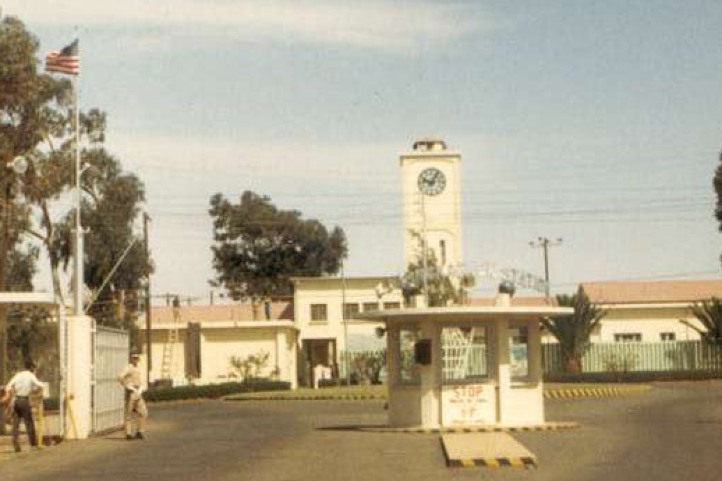
Main gate of Kagnew Station.
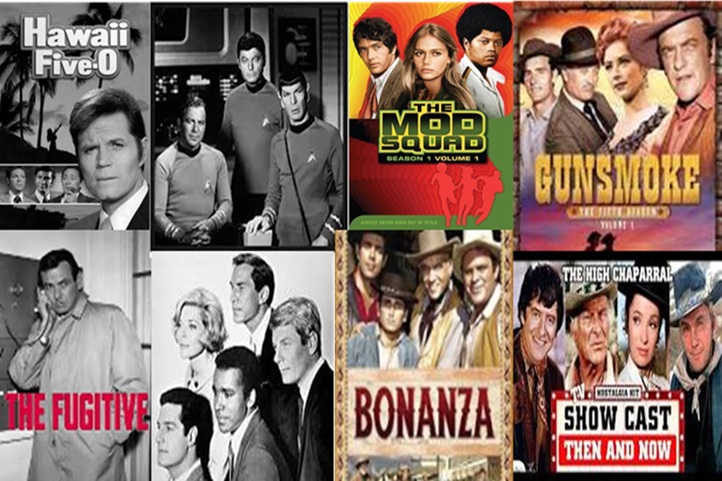
Memorable TV series aired from Kagnew Station.
Motor Racing
“The famous and long-established Asmara Circuit (“Circuito Asmara”) was held on the city’s main streets, featuring racing cars such as Abarth, Porsche and Alfa Romeo. The circuit remained active until 1972, when the final known race — the Gran Premio Automobilistico Expo ’72 — marked the end of car racing in Asmara during the years of the Eritrean Civil War.
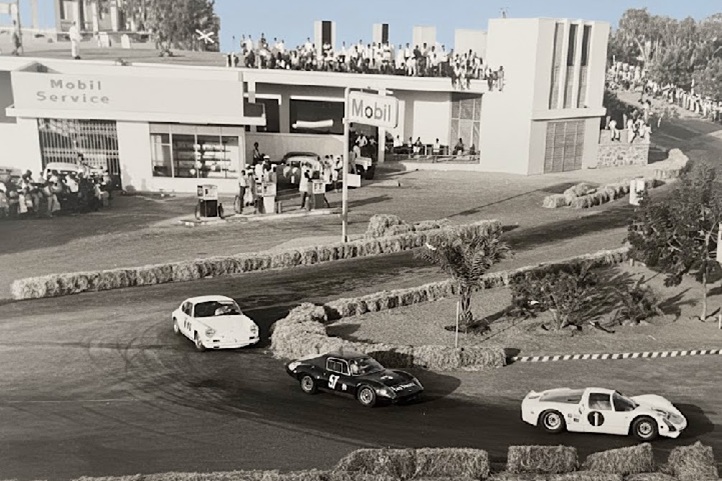
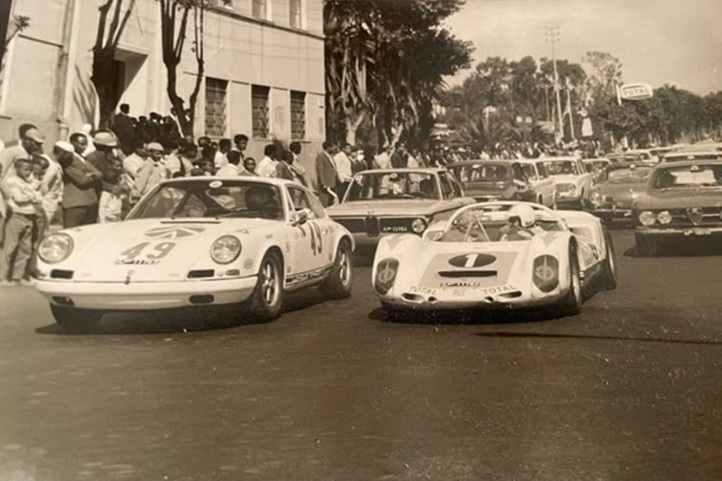
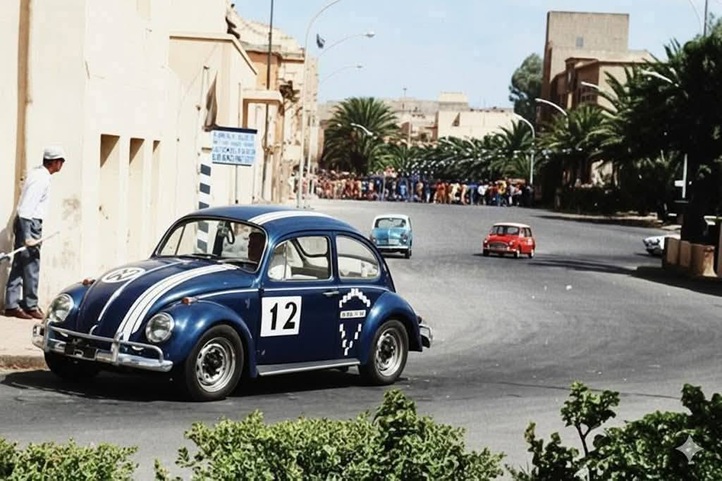
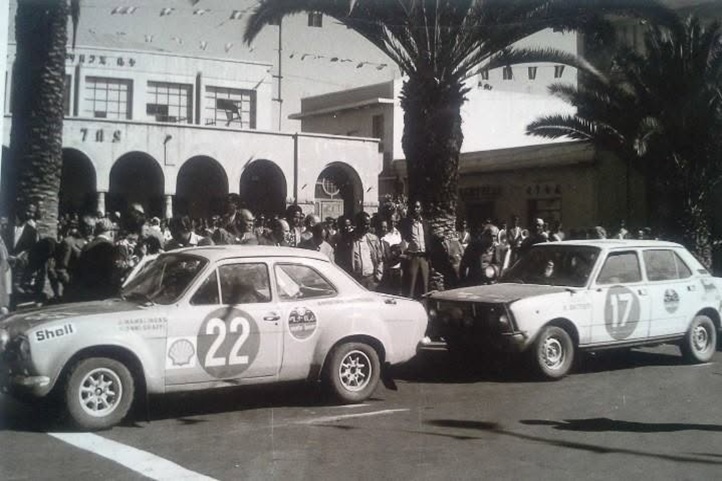
The famous Ethiopian Highland Rally was an international endurance race launched in the 1960s, starting and finishing in Addis Ababa and passing through cities including Asmara. Covering thousands of kilometres across challenging roads and rugged terrain, it attracted competitors from Ethiopia and abroad. The demanding rally continued until 1973, before being halted amid political upheaval and the rise of the Derg regime.
Cycling
The 1960s and early 1970s marked a formative era in which Eritrean cycling consolidated as a mass urban culture, having come a long way since the colonial period of racial exclusion and laying the foundations for future generations of cyclists. Today, cycling stands as a defining expression of Eritrean identity, resilience, and international sporting success.
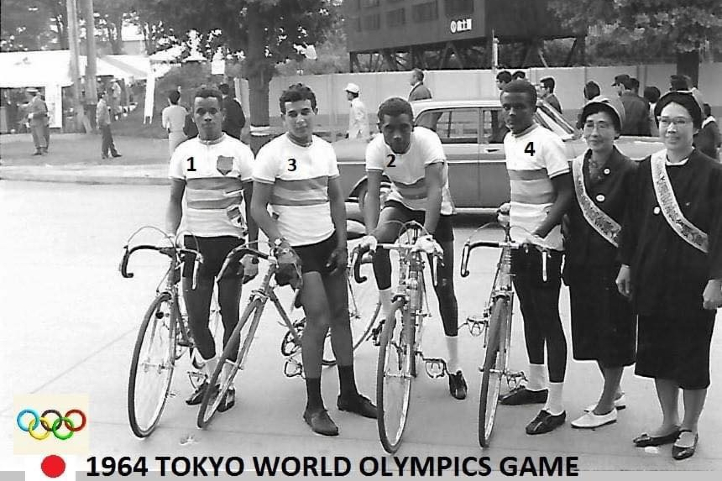
Eritrean cyclists at the 1964 Tokyo Olympics. From left to right: Yemane Negassi (No. 1), the legendary Carmelo Saglimbeni (No. 3), Fessehazion Ghebreyesus (No. 2), and Solomon Embaye (No. 4).
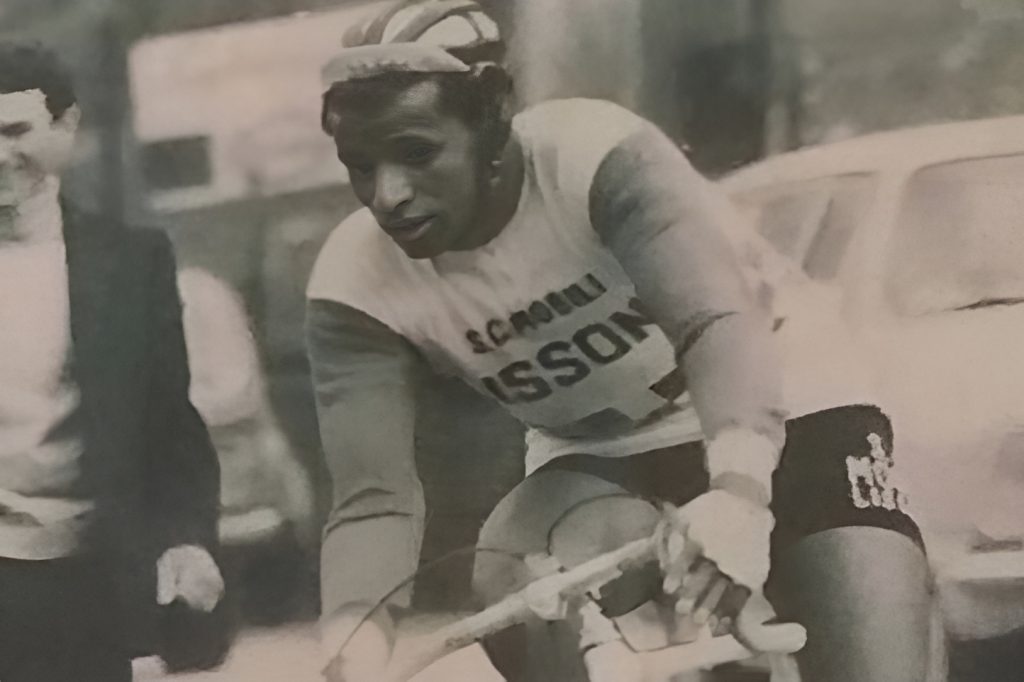
Legendary Eritrean cyclist Woldu Tekeste (aka “Gigante”), who inspired a generation in the late 1960s and early 1970s, competed in international cycling tournaments and Olympic Games.
Boxing and Weight Lifting
The celebrated boxer Ghebresellasie Frezghi and weightlifter Mohammed Hagos became sporting icons, popularising their respective pursuits through remarkable achievements at home and abroad.
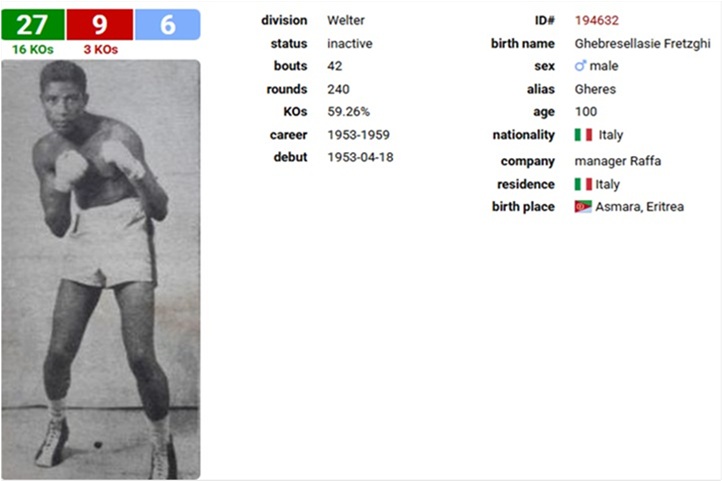
Welterweight Ghebresellasie Frezghi, whose perfect physique and notable victories in Italy marked a distinguished career that ended in 1959.
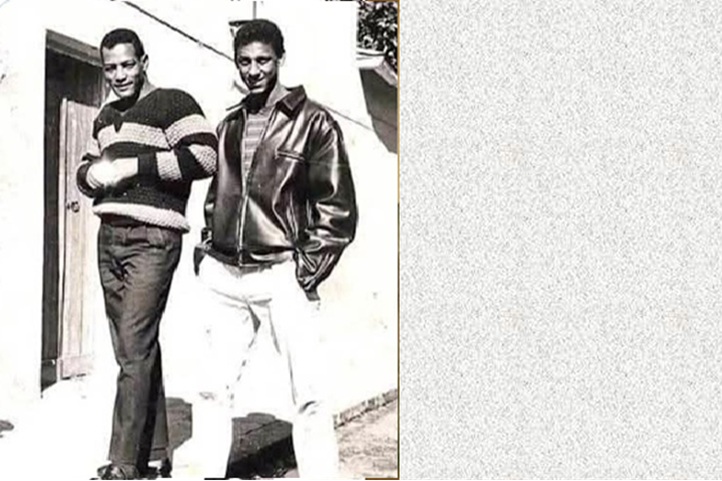
Weightlifting champion Mohammed Hagos (left), a pioneer of bodybuilding who encouraged youth to embrace discipline and healthy living through sport.
The Lido in Massawa (1950s–1960s)
The Lido (Il Lido) in Massawa, overlooking the open sea, was more than a swimming venue — it was a summer ritual where Asmarini and Massawini gathered during the long school holidays, drawn by the salt-kissed breeze of the Red Sea, the shimmering blue water, and the relentless coastal sun. Friends reunited between swims and long afternoons under the sun, while laughter echoed across the concrete decks and bodies plunged into the cool, salty piscina fed directly by the sea. Those days felt like they would never end.
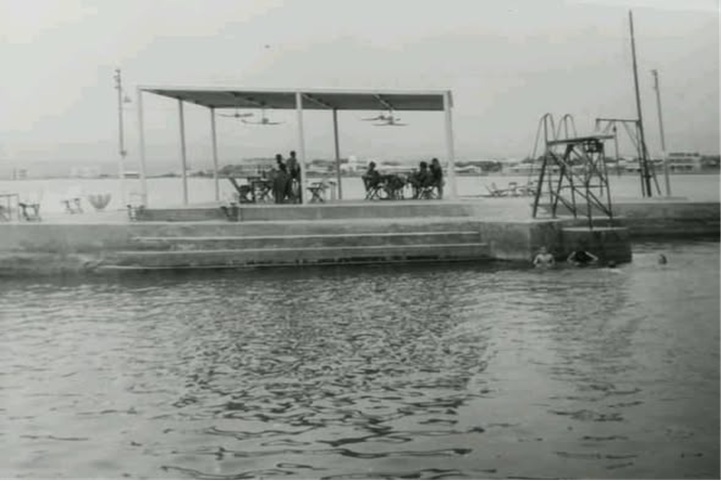
The Lido pool with wide steps descending into the seawater, a shaded veranda overlooking the open sea as it meets the coastline, and the low diving platform (trampolino basso).
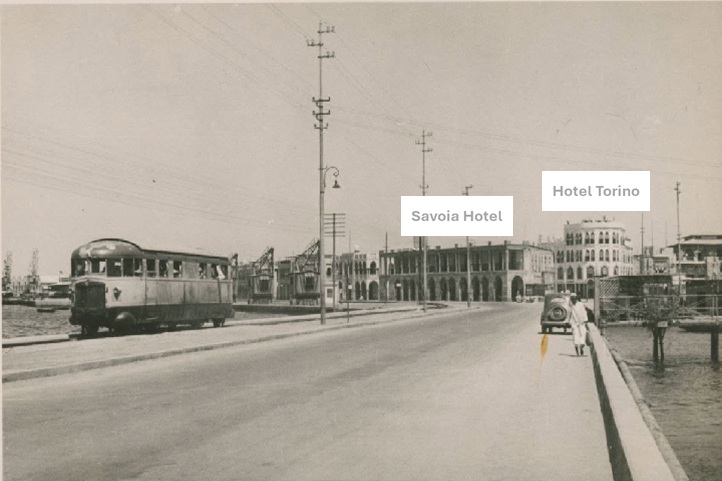
From Hotel Savoia overlooking the harbour at sunrise, the breezy morning air drifts in as seagulls hover in the sky, their cries echoing over the water as they dive to catch fish below.
Asmara Expo
First held in 1969, the Asmara Expo was a landmark event that showcased Eritrea’s industry, commerce, and cultural life through large-scale carnivals, trade fairs, historical exhibitions, and a beauty pageant. Inaugurated by Emperor Haile Selassie and attended by foreign diplomats and dignitaries, it embodied the confidence, prosperity, and cosmopolitan spirit of a bygone era.
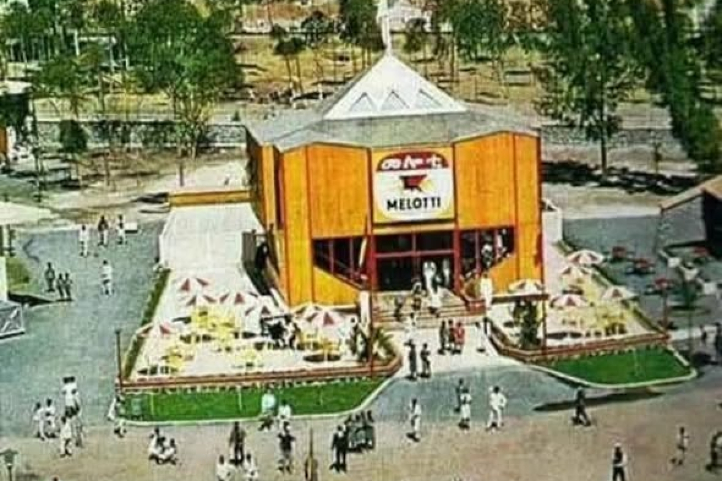
The Melloti Pavilion — showcasing Asmara’s signature beer — was among the many temporary structures and attractions that brought the Expo grounds to life.
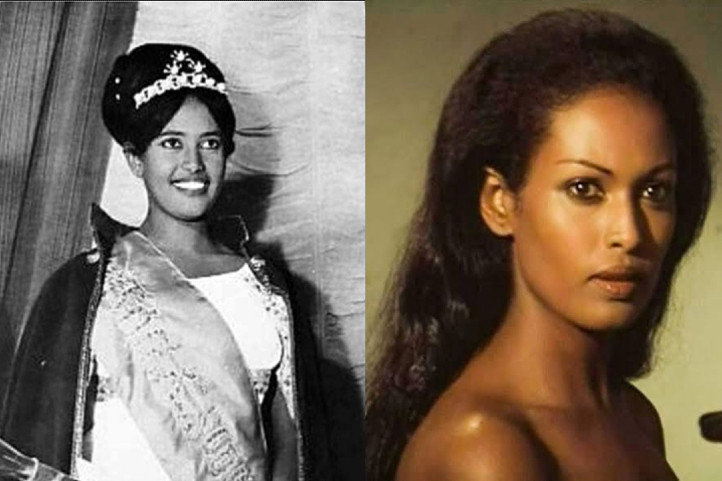
Zewdi Arya (10 February 1951 – 24 May 2026), winner of the 1969 Expo beauty pageant, went on to pursue a successful career in modelling and acting.
A CITY IN MOTION (c. mid-to-late 1950s)
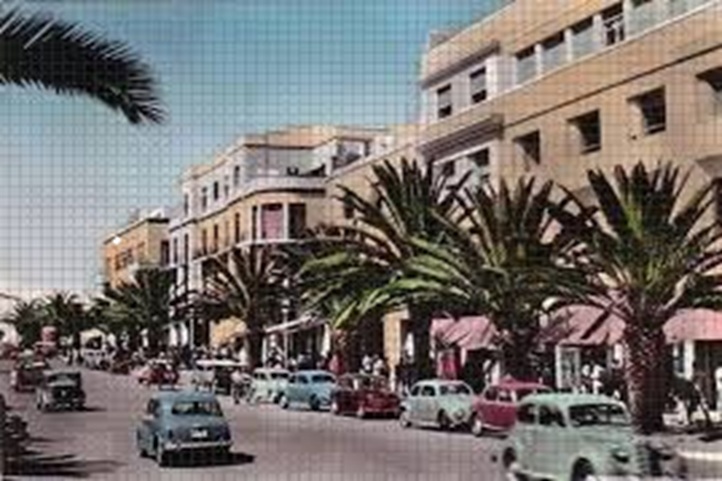
Post-war Corso Italia, with palm-lined sidewalks, modernist buildings and colourful 1950s Fiat cars bringing the bustling avenue to life.
A NEW ERA (c. 1950s)
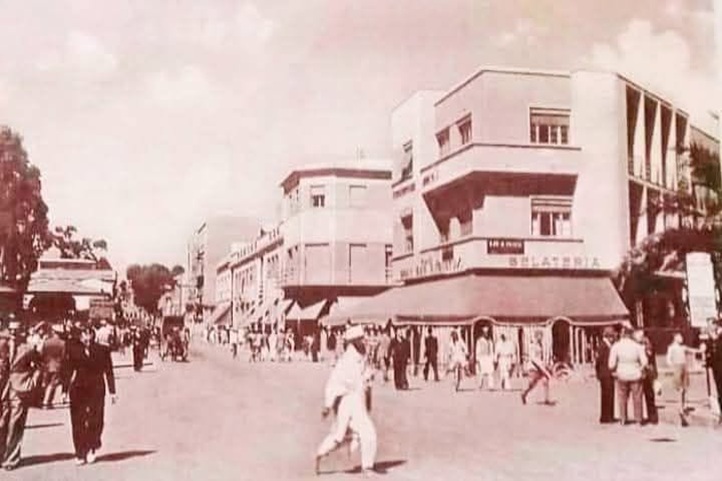
Bustling former Corso del Re (now Nakfa Avenue), c. 1950s, reflecting Asmara’s still-significant Italian population and lively European-influenced street life.
Serene Asmara (c. 1950s)
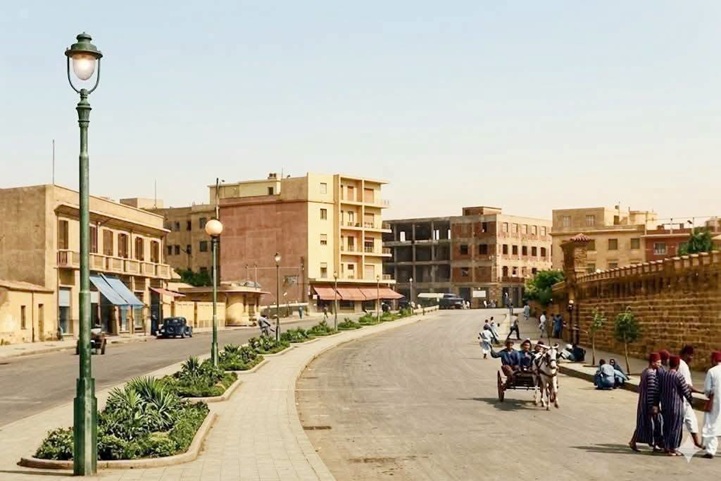
A view along Viale Azzi (now 176-17 Street), c. 1950s, its landscaped dual carriageway shared by motor cars and horse-drawn carts in post-war Asmara.
Italian Insabbiati (c. 1966)
A 1966 Italian report on Asmara’s insabbiati — those deeply rooted and choosing to stay — among some 5,000 Italians still living in the city back then.
Fiat Tagliero, 1960s – early 1970s

Postcard of Fiat Tagliero, designed by Giuseppe Pettazzi in 1938 and operated by Fiat concessionaire Giovanni Tagliero as a Shell service station, with the surrounding streets capturing everyday life in Asmara, c. 1960s–early 1970s.
A Time of Change
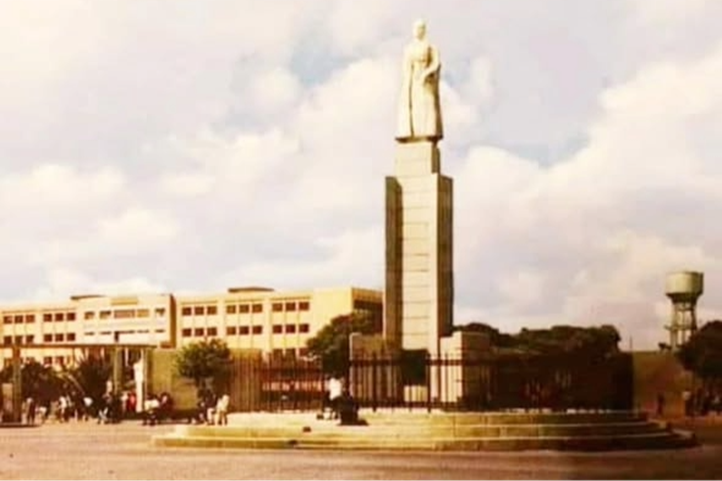
The Haile Selassie I Secondary School (now Red Sea Secondary School on Beirut Street), behind Empress Menen’s statue (no longer there), became a centre of student protest during Asmara’s politically turbulent early 1970s.
Booming Asmara (c.1950s-60s)
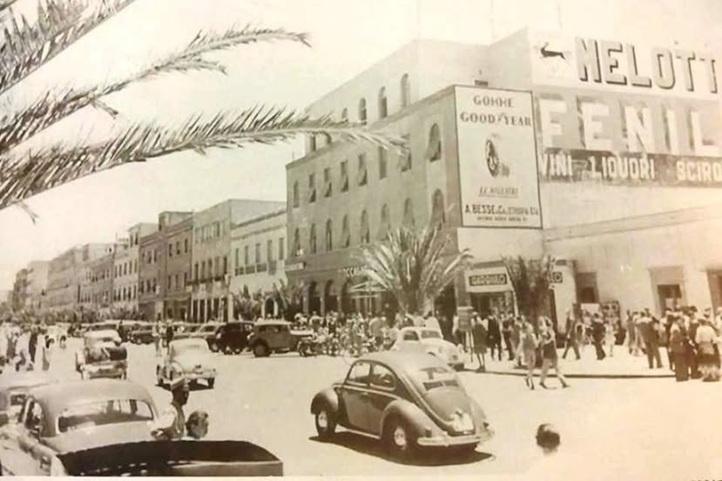
The booming post-war years, with the main avenue buzzing with people and traffic, as modern cars and the unmistakable Volkswagen Beetle became part of everyday city life.
Picturesque Asmara (c.1969-1971)
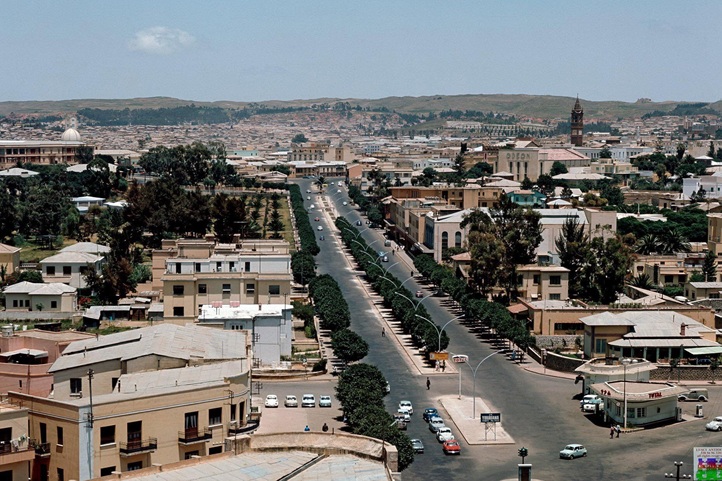
A striking panoramic view from the Nyala Hotel, looking along Queen Elizabeth II Avenue (now Sematat Avenue), with Queen Elizabeth II Square (now Shida Square) in the foreground.
Asmara, pre-June 1964
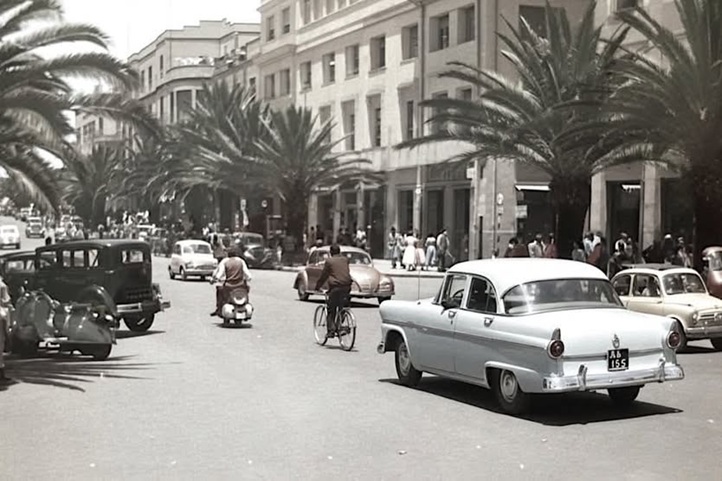
A busy Asmara street scene, with American and Italian cars, a Lambretta, bicycles and pedestrians. Traffic still kept to the left, dating the scene to before June 8, 1964.
Asmara, pre-June 1964
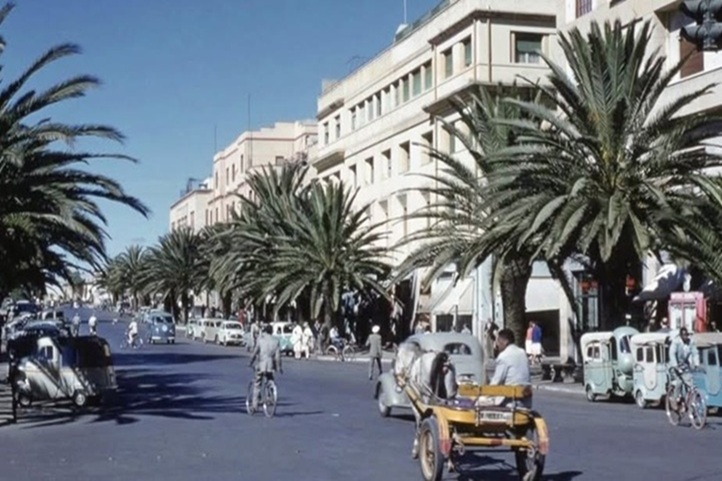
A lively street scene in Asmara, with a traditional horse-drawn carriage (carrozza), bicycles and cars sharing the avenue, while taxi-scooters (tuk-tuks) wait along the roadside.
Mocambo Resturant (1930s)
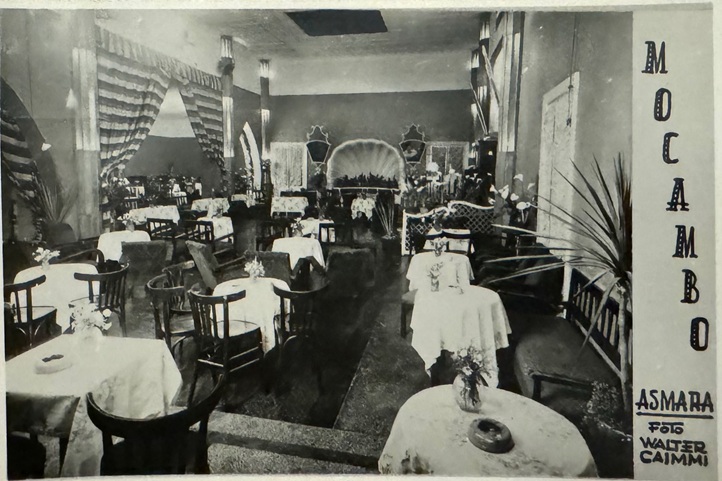
A chic little restaurant of the era where Italian officers lingered over meals, reminiscing about home and quietly sharing their guarded secrets (Plaut, 2024).
Asmara, “La Dolce Vita”
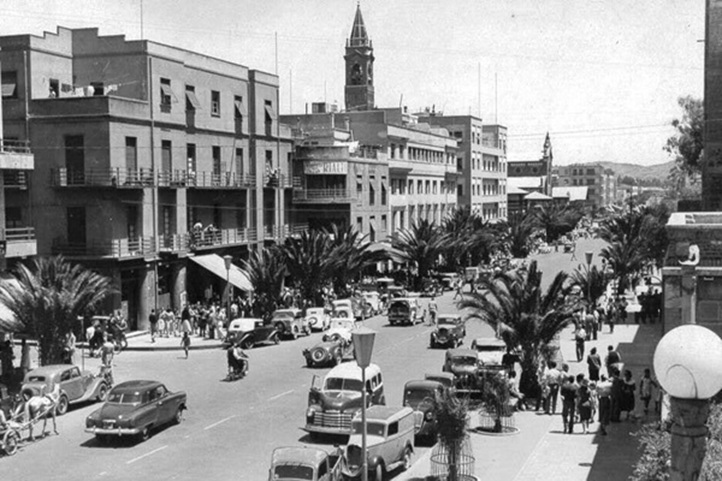
Italians enjoying the traditional passeggiata along Corso Italia, probably in the 1940s under British Administration, with cars now keeping to the left.
Viale Mussolini (c. 1939)
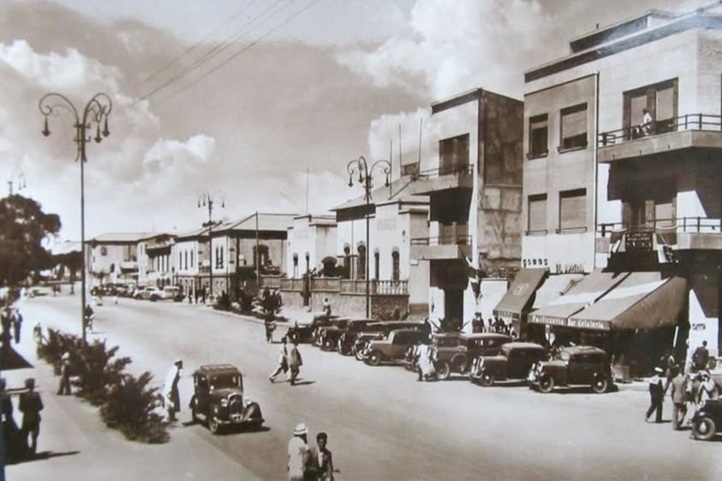
A bustling Viale Mussolini (now Harnet Avenue), lined with cafés and shops, as pedestrians and the distinctive cars of the era filled Asmara’s principal avenue.